If you work in Denver or Boulder and want a shorter, more reliable commute, Broomfield deserves a closer look. You have several ways to get to the office, and the right route can save you time and stress. In this guide, you’ll learn realistic drive times, how the Flatiron Flyer BRT works, what to expect from express lanes and where to park, plus neighborhood tips that match your commute. Let’s dive in.
Why Broomfield works for commuters
Broomfield sits directly on the US‑36 corridor between Denver and Boulder, which gives you fast access to both city centers and the Interlocken tech district. Corridor upgrades added express lanes, bus rapid transit and a commuter bikeway that together keep options open during peak hours. According to the U.S. Census QuickFacts, residents’ mean one‑way travel time is roughly 25 to 26 minutes, which puts Broomfield in a favorable position for North Metro commutes compared with many U.S. suburbs (U.S. Census QuickFacts).
The key to making Broomfield work is matching your route to your destination. US‑36 favors Boulder and the Interlocken/FlatIron area. I‑25 and 120th Avenue can be better for South Denver or the Tech Center. When you combine those choices with BRT and express lanes, you can dial in a plan that balances time and reliability.
Your main corridors
US‑36 to Denver and Boulder
US‑36 is the spine between Denver and Boulder. CDOT’s corridor project added managed express lanes, BRT stations and a commuter bikeway to keep traffic moving and give you alternatives during peak periods (CDOT US‑36 Express Lanes, FHWA corridor overview). Expect recurring peak congestion in both directions, which is exactly why the express lane and BRT exist.
Typical non‑peak drive times from Broomfield are about 20 to 30 minutes to Downtown Denver, with peaks or incidents adding 15 to 40 minutes or more (representative estimate). To Downtown Boulder, non‑peak can run about 15 to 25 minutes via US‑36, with peak adding 10 to 25 minutes or more (Broomfield to Boulder reference). Always check live apps for your exact departure.
I‑25 and local arterials
If you commute to South Denver or the Tech Center, I‑25 is the main north‑south corridor. Depending on your neighborhood, using 120th Avenue, Sheridan or Wadsworth to reach I‑25 may be faster than US‑36. Congestion patterns differ by corridor, so test both routes before you commit to a routine.
Peak congestion reality check
Recent reporting shows congestion across the Denver area has increased, which can stretch peak drive times beyond historical norms. If reliability matters most to you, consider express lane access or the Flatiron Flyer during rush hour (Denver congestion trends).
Transit that actually works: Flatiron Flyer BRT
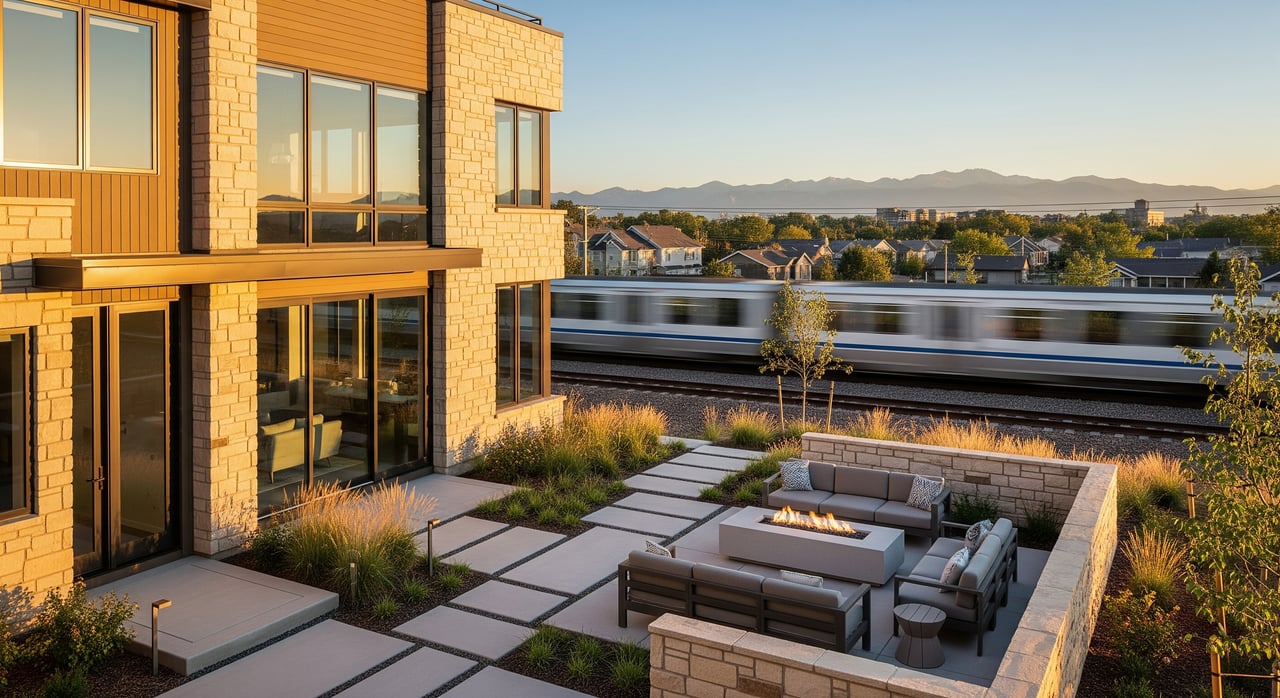
RTD’s Flatiron Flyer is a bus rapid transit service built for the US‑36 corridor. Multiple variants connect Downtown Boulder, key station areas like US‑36/Broomfield Station, and Union Station in Denver. Service is frequent in peak periods, and buses use managed infrastructure to stay more predictable when traffic stacks up (Flatiron Flyer routes and info).
Trip planners commonly show Boulder to Denver Union Station in about 40 to 60 minutes on the BRT, depending on the route variant and stop pattern. Your hop from Broomfield to either downtown is shorter, and many riders park at the Broomfield Station or connect via local shuttles.
Park‑n‑Ride at US‑36/Broomfield Station
US‑36/Broomfield Station is a major park‑and‑ride with about 940 spaces. It serves several Flatiron Flyer routes, local buses and FlexRide microtransit. Parking policies can change, so confirm current rules and any in‑district charges before you go (US‑36/Broomfield Station details).
First and last mile options
RTD’s FlexRide and local routes help connect neighborhoods to station areas. For short trips, Broomfield’s trail network and the US‑36 bikeway make bike‑to‑BRT practical in good weather. The corridor project delivered an 18‑mile commuter bikeway as part of the multimodal design (FHWA corridor overview).
Express lanes explained
US‑36 express lanes are managed lanes that prioritize free‑flow speeds for buses, carpools and paying solo drivers when traffic is heavy. Toll rates adjust dynamically by time of day and volume. The express lanes connect into the broader Denver managed‑lane network, including I‑25. If you need a predictable arrival on a tight schedule, consider budgeting for a toll on your busiest days (CDOT US‑36 Express Lanes).
Neighborhood fit by commute
Different parts of Broomfield line up with different commute styles. Here is a practical way to think about it:
- Transit‑first access: If you want quick access to the BRT, look at areas near US‑36/Broomfield Station and the Interlocken/Arista district. Short walks or a 5 to 10 minute drive to the station can make daily BRT commuting easy.
- Drive‑oriented access: If you head to South Denver or DTC, prioritize locations with fast access to 120th Avenue and I‑25. That cuts time spent on local streets and gives you more routing options when traffic shifts.
If your office is within the Interlocken/FlatIron area, you can often keep commutes under 15 minutes. The district hosts large employers and campuses, which makes living nearby a time saver (example Interlocken office location).
Three commuter profiles you can copy
Use these door‑to‑door sketches as a starting point. Always verify with live routing or the RTD trip planner for your specific address and work hours.
Boulder‑bound professional
- Drive: About 15 to 25 minutes in non‑peak via US‑36. Peak can add 10 to 25 minutes or more.
- BRT: Flatiron Flyer from US‑36/Broomfield Station to Downtown Boulder with predictable peak performance because buses use managed infrastructure (Flatiron Flyer overview).
- Tip: If your schedule is tight, combine a short drive or bike to the station with BRT for reliable arrivals on meeting days.
Interlocken/US‑36 tech employee
- Drive: Often under 15 minutes from many Broomfield neighborhoods. Short local trips mean minimal last‑mile delays.
- Bike or walk: Trails and local streets can make active commuting realistic for nearby homes when weather cooperates (FHWA corridor overview).
- Tip: Living within Arista or near Interlocken can reduce both time and parking hassle.
Downtown Denver professional
- Drive: About 20 to 30 minutes in non‑peak. Plan for 30 to 60 minutes or more at peak or during incidents (representative estimate).
- BRT: Flatiron Flyer to Union Station with transfers as needed. Transit avoids parking costs and can be steadier on heavy traffic days (Flatiron Flyer routes and info).
- Express lane: Consider the US‑36 express lane to improve reliability if you must drive during rush hour (CDOT US‑36 Express Lanes).
Parking, tolls and costs to plan for
- Station parking: US‑36/Broomfield Station lists about 940 spaces. RTD policies may include in‑district exceptions for the first 24 hours and different rates for out‑of‑district users. Check the facility page for current details before your first week of commuting (station details).
- Express lane tolls: Rates change by time of day to maintain speeds. If you value on‑time arrival over cost during peak, set aside a small monthly budget for tolls and use the express lane strategically (CDOT US‑36 Express Lanes).
Hybrid and work‑from‑home advantages
Broomfield shows a meaningful share of residents working from home, a trend that shapes traffic and makes a two or three day office week more manageable. If your role is hybrid, you can enjoy North Metro amenities without paying a big time penalty on office days (DataUSA Broomfield profile).
How Broomfield compares nearby
The U.S. Census QuickFacts places Broomfield’s average one‑way commute around 25.5 minutes. That is similar to Westminster and Arvada and shorter than Thornton on average, which trends closer to 30 to 31 minutes. Northglenn sits in the upper‑20‑minute range depending on the reporting window. The takeaway is that Broomfield is well positioned within the North Metro, especially if you work in Boulder or along US‑36, and you have viable BRT options on top of driving (U.S. Census QuickFacts, Broomfield).
Quick planning checklist
- Map both routes: Test US‑36 and I‑25 over a full week at your actual departure times.
- Try the BRT: Do a trial run on the Flatiron Flyer from US‑36/Broomfield Station. Check parking and FlexRide options if you do not want to walk or bike.
- Save live tools: Use RTD’s trip planner for transit and a traffic app for driving. Recheck before out‑of‑routine meetings.
- Budget for reliability: If punctuality is key, set aside a monthly toll fund for strategic express lane use.
- Time your last mile: If you work near Interlocken, score properties that shorten the last mile. Small location shifts can save 10 minutes per day.
How we built this guide
Data sources include RTD schedules and facilities pages, CDOT and FHWA project documentation for US‑36, U.S. Census QuickFacts and ACS for commute statistics, and recent congestion reporting that reflects current peak conditions. Trip times are ranges for planning, and they vary with incidents and time of day. Always confirm live schedules and drive times before you go (Flatiron Flyer, US‑36 Express Lanes, FHWA corridor overview, U.S. Census QuickFacts, Denver congestion trends).
Ready to pair a comfortable home with a smarter commute? Reach out to Robin Lockard for neighborhood‑level guidance, data‑informed advice and a home search tailored to your work routine.
FAQs
How long is the drive from Broomfield to Downtown Denver in normal traffic?
- Non‑peak drives typically run about 20 to 30 minutes, while peak or incident conditions can push trips to 30 to 60 minutes or more, so check live routing before you go (representative estimate).
Is the Flatiron Flyer practical for daily commuting from Broomfield?
- Yes, the Flatiron Flyer connects US‑36/Broomfield Station to Downtown Boulder and Denver’s Union Station with frequent peak service and managed‑lane priority, which keeps travel times more predictable (RTD Flatiron Flyer).
Where do I park to catch the Flatiron Flyer in Broomfield?
- Use the US‑36/Broomfield Station Park‑n‑Ride, which lists about 940 spaces and serves multiple FF routes plus FlexRide; verify current parking rules before your first commute (station details).
How do US‑36 express lanes help if I must drive during rush hour?
- Managed lanes maintain faster speeds using dynamic tolls and HOV access, so paying the toll can improve on‑time reliability when general lanes are congested (CDOT US‑36 Express Lanes).
Which Broomfield areas lower commute time the most for US‑36 access?
- Areas near US‑36/Broomfield Station and the Interlocken/Arista district tend to minimize transit and local driving time, while homes with fast I‑25 and 120th Avenue access help if you commute to South Denver (station details).