Thinking about buying in Arvada and want easier trips to downtown Denver without losing that neighborhood feel? Living near the G Line can deliver real convenience, but it also brings trade‑offs you should understand before you commit. Your day-to-day experience will depend on distance to the tracks, station activity, and the exact block you choose. This guide walks you through the benefits, drawbacks, and smart ways to evaluate a home near the line so you can decide with confidence. Let’s dive in.
What the G Line offers
The G Line is a Regional Transportation District commuter rail that connects Arvada to Denver Union Station. Passenger service began in 2019 and supports peak‑hour commutes along with midday and weekend trips. Always review RTD schedules and advisories for current frequency and travel times.
In Arvada, the line runs through the city’s southern and central corridor. Olde Town Arvada is the best‑known stop and a focal point of investment and pedestrian upgrades. City planning documents identify station areas as targets for higher density and mixed‑use projects, which is why you see more transit‑oriented development and streetscape improvements near the rail.
For many buyers, the draw is simple. If you work downtown or at major university and medical hubs linked by transit, living within an easy walk or bike ride to a station can cut stress and reduce reliance on daily driving.
Key benefits near the G Line
Faster, simpler downtown commute
Direct rail to Union Station can trim door‑to‑door travel time if you live within a comfortable walk, scooter, or short bike ride to a station. Rail tends to offer more consistent peak‑hour timing than local buses. Frequency varies by time of day, so compare the schedule to your routine before you buy.
One‑car lifestyle potential
If you’re aiming to drop a second car or keep mileage low, proximity to a frequent rail line can make that realistic. You can reach downtown without parking costs and connect to other regional lines at Union Station. Many households find this flexibility meaningful even if they still drive for errands.
Walkability and local amenities
Station areas often attract small‑scale retail and services. Olde Town Arvada already offers a walkable core, and portions of the station corridors continue to see sidewalk, bike, and plaza upgrades tied to transit‑oriented projects. Actual walkability varies block by block, so confirm sidewalk continuity, crossings, and lighting on the exact route you would take to the platform.
Resale and rental demand
Across many markets, homes within roughly a 0.25 to 0.5‑mile walk of reliable rail see stronger buyer interest. In Arvada, proximity can be especially appealing to first‑time buyers, renters, and trade‑down buyers who value downtown access without living in the city center. Investors often see steadier demand near transit as well, though you should confirm recent local comps and leasing data before making assumptions.
Trade‑offs to consider
Train noise and vibration
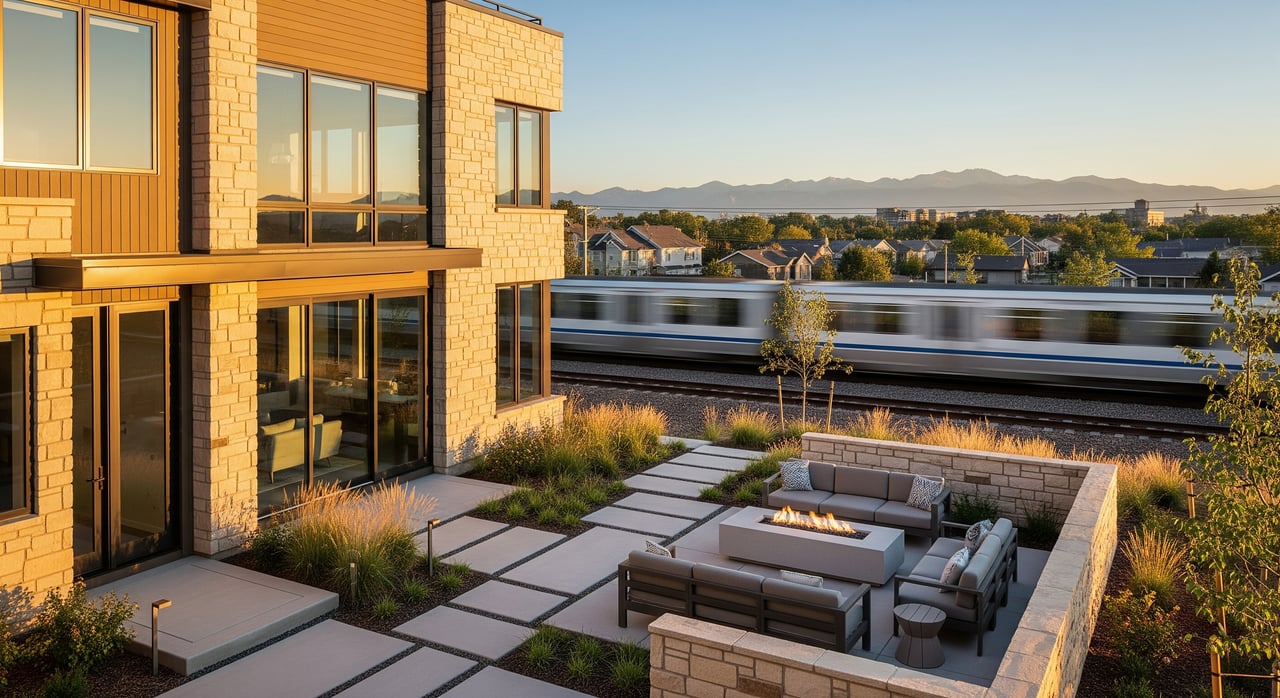
Trains create noise and occasional vibration, especially for properties closest to the tracks. Sounds range from horns at grade crossings to wheel‑on‑rail noise and station activity. Impacts vary with distance, topography, orientation, and existing mitigation such as sound walls or track treatments. If you are sensitive to noise, visit your target block during commute hours and late evening to get a realistic read.
Parking and peak‑hour traffic
Park‑and‑ride activity and pick‑up/drop‑off flows can increase traffic near stations at busy times. Some areas use permit parking or design measures, while others see spillover onto nearby residential streets. If a low‑traffic block matters to you, confirm whether your street is within a station parking influence zone or slated for future changes.
Foot traffic and safety perceptions
Transit hubs bring more people on foot. This can boost retail vitality and natural surveillance, but some neighbors perceive increases in petty crime or loitering. Use recent Arvada Police Department and Jefferson County data to understand trends instead of relying on impressions. Lighting, active ground‑floor uses, and station design strongly shape how a place feels.
Value varies by distance
Transit proximity does not guarantee a price premium. In many cases, premiums center on homes within a comfortable 5 to 10‑minute walk that avoid the strongest noise and visual impacts. Homes immediately adjacent to the tracks sometimes sell at a discount relative to similar properties a bit farther away. Reviewing sales by distance bands helps clarify what the market values on a given block.
Service changes and disruptions
Like any rail system, the G Line can experience maintenance closures or schedule shifts over time. Consider how you would adjust if service is disrupted and whether you have reasonable backup options. Monitoring planning documents and current schedules will help you stay prepared.
Buying strategy near the tracks
Pre‑offer research checklist
- Time the actual walk to the station along your intended route during the day and at night. Look for continuous sidewalks, marked crossings, and lighting.
- Review current RTD timetables and ride the line at peak and off‑peak hours to test frequency, crowding, and travel time to your destination.
- Map your cycling or scooter route if that will be your primary commute link. Confirm bike lane presence and any complex intersections.
- Check City of Arvada and Jefferson County planning maps for pending projects, zoning changes, parking districts, or planned roadwork within a half‑mile.
What to look for on site
- Visit during morning and evening peaks, plus a late evening, to gauge horns, wheel noise, station announcements, and vibration.
- Observe parking patterns on nearby blocks during peak periods. Note any permit requirements or frequent spillover.
- Walk the retail streets to see which businesses are active during commute windows and in the evening.
- Talk to neighbors and local shop owners about seasonal patterns, event days, and any mitigation changes they have seen.
Data and documents to review
- Pull comparable sales segmented by distance to the station: adjacent, 0 to 0.25 mile, 0.25 to 0.5 mile, and beyond. Look for differences in days on market and price per square foot.
- Check recent neighborhood crime statistics for context on station‑area trends.
- Review any available environmental or technical memos from RTD or the City of Arvada for noise and vibration mitigation details.
- Confirm whether there are easements or rights‑of‑way near the property tied to rail operations or maintenance access.
Negotiation tips if very close
- If the home sits next to the tracks, consider inspections that look for vibration‑related settlement or micro‑cracks. Use findings to negotiate repairs or credits if needed.
- Ask for seller disclosures on past noise or vibration concerns and any mitigation steps taken, such as window upgrades or landscaping buffers.
- Confirm standard homeowners insurance terms with your carrier. Proximity to rail is usually not an issue, but it is wise to verify coverage and any endorsements.
Who a G Line location fits
If you commute to downtown Denver, work near transit‑linked campuses, or simply want a more flexible transportation mix, a G Line location can be a strong match. First‑time buyers often appreciate the ability to reach city amenities without daily driving. Empty‑nesters and right‑sizers may value a walkable station area with dining and services close by. Investors sometimes target these areas for lower vacancy and steady demand, subject to local leasing data.
The key is fit. If you love a quiet porch and minimal street activity, consider homes that are an easy walk to the station but not directly adjacent to the tracks or parking lots. If you prize the buzz of a lively main street, a home steps from Olde Town or a station plaza may be a better choice.
Bottom line for Arvada buyers
Living near Arvada’s G Line can streamline your commute, widen your mobility options, and boost day‑to‑day convenience. The upside is real, especially within a 5 to 10‑minute walk of a station where sidewalks and crossings are solid. The trade‑offs center on noise, parking, and changes in activity around stations. Distance, orientation, and block‑level details make all the difference.
Take a data‑first approach. Time the walk, ride the line, study local sales by distance, and visit at peak hours. With a clear picture of benefits and trade‑offs, you can target the sweet spot that fits your lifestyle and long‑term goals.
Ready to weigh specific addresses near the G Line and compare value by distance band? Reach out to Robin Lockard for local guidance that blends neighborhood context with investment‑minded strategy. Request a free home valuation or a custom shortlist of homes that fit your commute and lifestyle.
FAQs
Does living near Arvada’s G Line raise value?
- Proximity can raise demand within a comfortable 0.25 to 0.5‑mile walk, but homes immediately adjacent to the tracks may see discounts due to noise and visual impact; local comps are essential.
How close is too close to the tracks?
- Many buyers notice more noise and vibration within about 50 to 200 feet; a 5 to 10‑minute walk often balances access with fewer negative effects, but always test specific addresses.
What noise mitigation might exist near stations?
- Common tools include sound walls, track treatments, landscaping buffers, and in some cases quiet zones at grade crossings; check RTD and City of Arvada records for location‑specific measures.
Will station foot traffic increase crime in Arvada?
- Evidence is mixed and depends on design, lighting, and active uses; rely on Arvada Police Department and Jefferson County data plus on‑site visits rather than assumptions.
How can I verify future development near my station?
- Review City of Arvada planning and zoning maps, public meeting notes, and permits to see proposed mixed‑use projects, parking programs, and infrastructure changes that could affect the area.