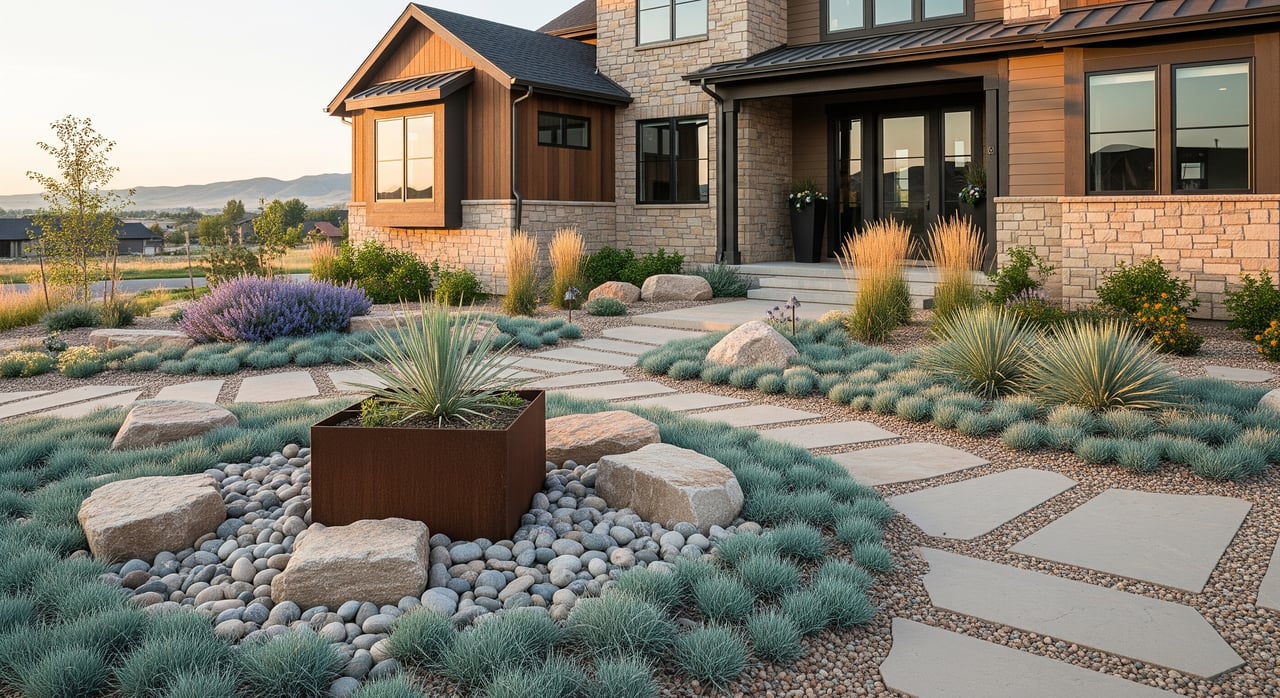
Thinking about replacing thirsty turf with a low-water look that still turns heads? You are not alone. Many Erie homeowners want less weekend upkeep and lower water use without giving up curb appeal. In this guide, you will learn Erie-specific xeriscape ideas that photograph beautifully, feel welcoming, and help your home show its best when it is time to sell. Let’s dive in.
Why xeriscape works in Erie
Erie sits on Colorado’s Front Range where the climate is semi-arid, with cold winters, warm summers, and wide daily temperature swings. Summer drought stress and higher evaporative demand make water-wise design a smart choice. You will get the best results with drought-tolerant plants, good soil prep, and efficient irrigation tailored to each planting area.
Local water rules can change during dry years. Many communities use tiered schedules or odd-even watering days, and some require high-efficiency irrigation on new installs. Before you start, review current Town of Erie guidance and your water provider’s rules, and ask about rebates for turf removal, smart controllers, or native plants.
Design moves buyers notice
A resale-friendly xeriscape looks intentional, tidy, and easy to care for. The goal is a clean front entry, strong structure, and planting layers that read well in photos. Keep the plant list tight, repeat groupings, and highlight the path to the door.
Use these principles to shape your plan:
- Plan first: map sun, shade, and wind, then group plants by water need (hydrozones).
- Soil matters: amend compacted clay-loam as needed and fix drainage before you plant.
- Limit the palette: pick 6 to 10 main species in the front yard and repeat them.
- Create layers: low groundcovers, mid-height perennials and shrubs, and one focal tree or sculptural element.
- Add year-round interest: evergreens for winter structure plus grasses with seedheads for texture.
- Show maintenance cues: use crisp edging, consistent mulch, and defined bed lines for a tidy look.
Photography is critical. Repeating clumps of three to five perennials frame the entry well. Contrast blue-gray foliage, like junipers or sages, with warm blooms such as yarrow or blanket flower to make colors pop in your listing photos.
Erie-ready plant palette
Choose native and well-adapted plants that can handle Front Range swings. Confirm exact cultivars against the USDA Plant Hardiness Zone Map and your home’s microclimate. Group plants by similar water needs for easier care.
Consider these reliable choices:
- Ornamental grasses: blue grama, little bluestem, and select maiden grass cultivars for movement and winter structure.
- Turf alternatives: buffalo grass or fine fescue mixes for lower-water lawn areas where you still want a soft surface.
- Perennials: penstemon, purple coneflower, yarrow, blanket flower, Russian sage, catmint, and asters for late-season color.
- Shrubs and structure: serviceberry, Rocky Mountain juniper or columnar junipers, rabbitbrush, and shrubby cinquefoil in suitable soils.
- Accents: hardy yucca, ornamental alliums, and native wildflower plugs for pollinator interest and seasonal pops.
- Small trees: serviceberry or site-appropriate columnar selections where space is tight. Avoid high-water trees close to the house.
Keep plant heights in check near windows and paths. Repeat the same five to eight perennials across beds to create cohesion. Add one standout element near the entry, like a serviceberry or a sculptural boulder, to draw the eye.
Hardscape choices that sell
Hardscape sets the tone and reduces maintenance. The key is to match materials to your home’s exterior and keep lines neat.
Try these curb-appeal upgrades:
- Mulch: use rock where appropriate in xeric beds, and consider organic mulch in shrub or perennial areas to improve soil over time. Choose rock colors that complement your siding.
- Edging: metal or stone edging keeps beds crisp and prevents gravel from drifting onto walks and driveways.
- Paths and borders: decomposed granite, permeable pavers, or wide flagstone steps make entries feel generous and photograph well.
- Boulders: a few large, well-placed stones anchor plant groupings and imply lower maintenance.
- Containers: quality planters with drought-tolerant arrangements at the front door add seasonal color and a welcoming touch.
Keep surfaces consistent across the front yard. A clean line along the driveway or a defined path to the door helps buyers see a low-maintenance lifestyle.
Irrigation that saves water
A water-wise yard still needs targeted irrigation, especially during establishment. Efficient systems reduce waste and help plants thrive in Erie’s semi-arid conditions.
Build a simple, smart system:
- Drip and micro-sprays: use these for beds to deliver water right to the root zone.
- High-efficiency heads: reserve these for any small lawn areas.
- Smart controller: choose a weather-responsive controller that adjusts watering based on conditions.
- Hydrozones: group plants with similar needs on the same zone for easier scheduling.
- Seasonal care: winterize lines, reduce watering during dormancy, and consider snowmelt patterns when placing beds.
If you have alkaline water or compacted soils, a basic soil test will guide amendments. Correcting soil issues early reduces long-term headaches.
HOA approval, step by step
Most Erie-area HOAs have design guidelines that shape materials, gravel color, vegetation percentages, and tree requirements. Getting a quick yes is about clarity and reassurance that the yard will look intentional and well kept.
Follow this simple process:
- Get the documents: request CC&Rs, design guidelines, and application forms from your HOA.
- Pre-application chat: speak with the Design Review Committee or manager about your goals and ask for examples of approved xeriscapes.
- Prepare your package: include a site plan, plant list with common and botanical names, material photos or swatches, an irrigation plan showing hydrozones, and a short maintenance plan.
- Address concerns: show how the design meets any living-plant minimums, uses coordinated colors, and includes clear maintenance steps.
- Offer a phased plan: propose soil and irrigation work first, then staged planting if helpful.
You can also include photos or a small mock-up to help reviewers visualize the final look. A written maintenance plan shows you are committed to keeping the yard tidy.
Budgets and ROI context
Costs vary with scope, materials, and whether you hire a contractor or DIY. Focus on visible areas first to get the biggest curb-appeal lift per dollar.
Common cost drivers:
- Square footage converted
- Soil remediation and grading needs
- Irrigation complexity and number of zones
- Hardscape material choices and stone size
- Plant size and quantity
- Labor and site access
Project tiers that fit most Erie front yards:
- Low-cost refresh: swap high-water plants for drought-tolerant perennials, add mulch and edging, and place containers at the entry. This is a quick visual upgrade.
- Mid-range conversion: add drip irrigation, replace front-bed turf with low-water plantings, and include a focal tree with stone accents.
- Full conversion: regrade as needed, redesign irrigation, replace turf with a low-water lawn alternative, install larger specimen plants, and complete hardscaping.
Landscaping helps homes show better and can support faster sales when executed cleanly. Avoid promising a set return. Instead, document water savings, rebates, plant establishment, and smart irrigation to help buyers see the value.
Prep for photos and showings
Staging the yard for listing season is as important as staging the interior. Your goal is a clean, welcoming entry that reads well from the street and in photos.
Use this pre-list checklist:
- Prune for shape and clear the walkway to the door.
- Refresh mulch and straighten edging for crisp lines.
- Weed thoroughly and remove winter debris.
- Add seasonal flowering containers at the entry.
- Keep a few grasses standing for winter texture if you list in cooler months.
- Leave care instructions and irrigation controller info for buyers to review during showings.
Ready to plan your yard?
You do not need a full overhaul to make a strong first impression. Start with the entry and front beds, repeat a simple plant palette, add crisp edging, and use smart irrigation for easy upkeep. If you are thinking about selling in the next year, we can help you prioritize yard updates that photograph well and fit Erie’s water-wise reality. For local guidance and a data-informed pricing plan, connect with Robin Lockard.
FAQs
What is xeriscaping for Erie homes?
- Xeriscaping uses water-wise design, drought-tolerant plants, smart irrigation, and clean maintenance cues to create an attractive, low-maintenance yard suited to Erie’s semi-arid climate.
Do I need HOA approval for a front-yard xeriscape in Erie?
- Most Erie-area HOAs require a design review. Submit a site plan, plant list, material samples, irrigation zones, and a short maintenance plan to speed approval.
Which low-water plants work well in Erie yards?
- Reliable options include blue grama and little bluestem grasses, penstemon, yarrow, blanket flower, Russian sage, catmint, serviceberry, and Rocky Mountain juniper.
How much does a xeriscape conversion cost in Erie?
- Costs depend on area size, soil and drainage fixes, irrigation complexity, materials, and labor. Start with visible front areas for the best curb-appeal return.
Can a xeriscape help my Erie home sell faster?
- A tidy, intentional xeriscape often photographs better and signals low maintenance, which can increase buyer interest. Document improvements and irrigation features for showings.